Awakening — Las Vegas
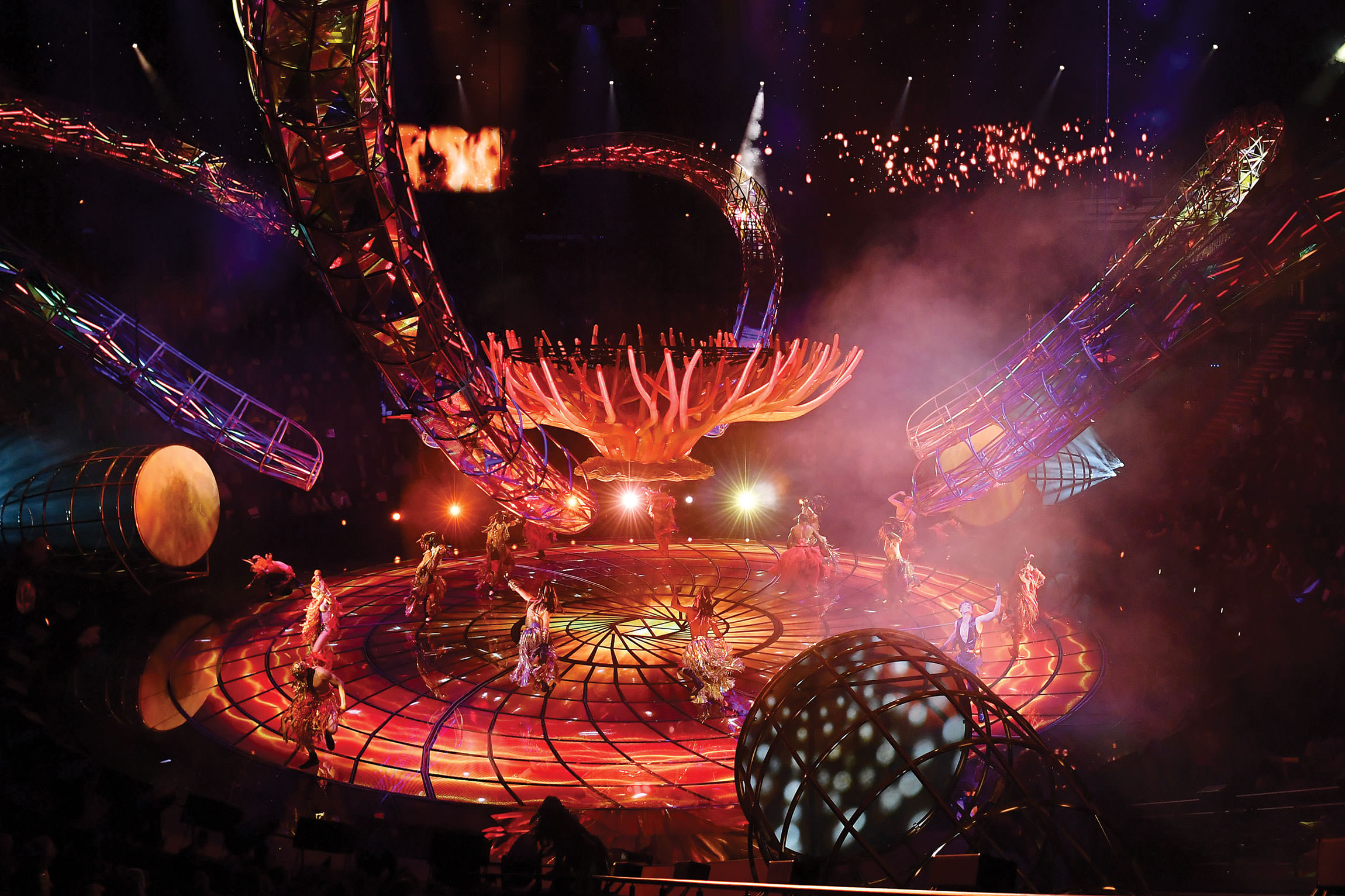
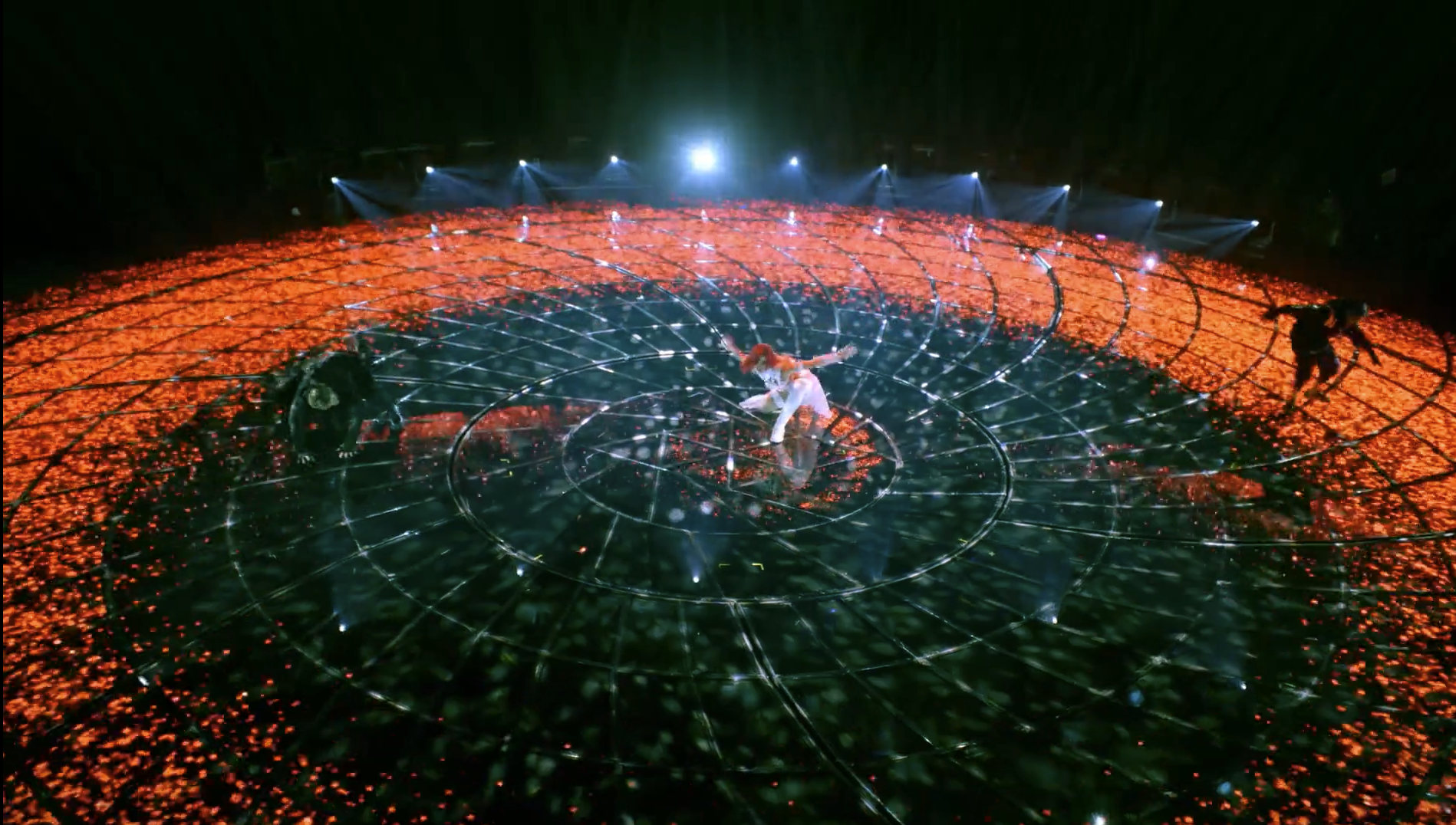
Awakening transforms the stage into a living surface of light, where motion, performance, and digital media merge into a continuously evolving environment.
PROJECT BRIEF & CHALLENGES
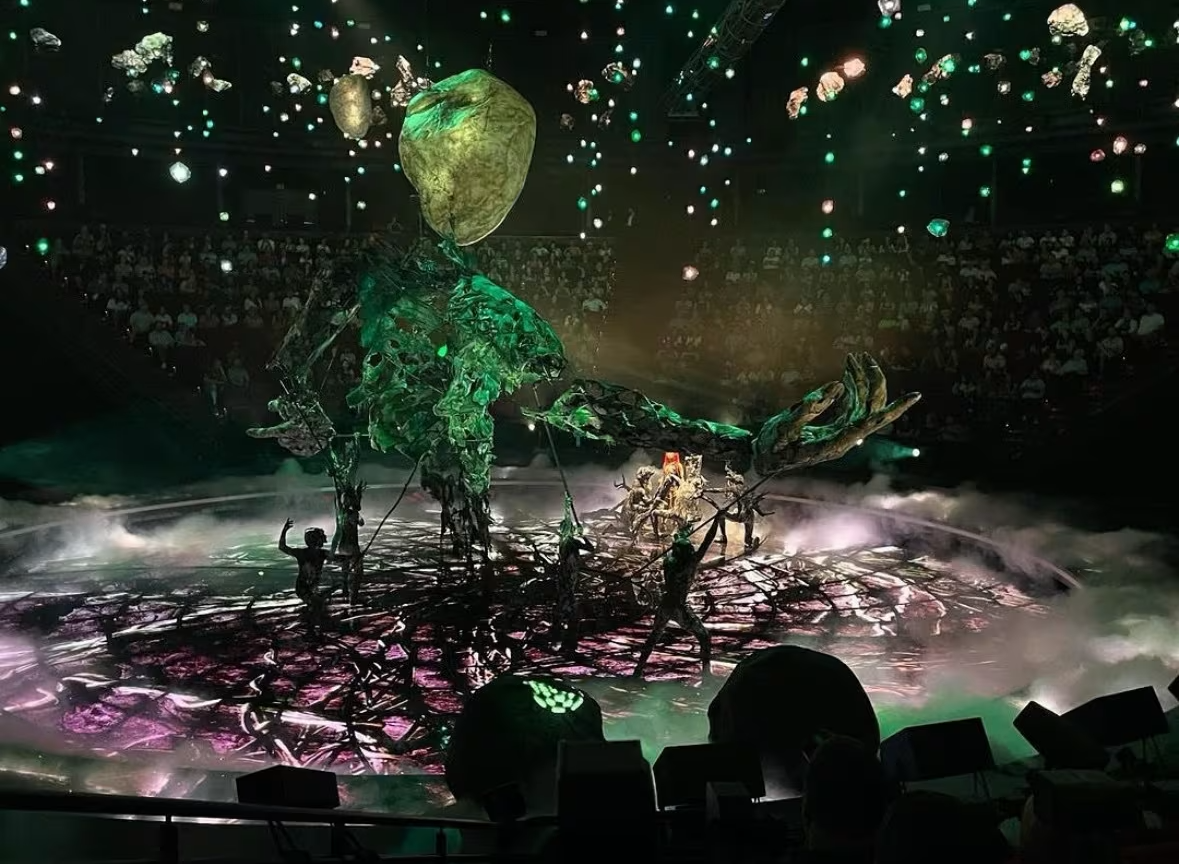
Awakening is a permanent live performance production at the Wynn Theater in Las Vegas, the city’s only theater-in-the-round. Designed by Silent House with scenic design by George Tsypin and Tsypin Opera Factory, the production centers on a highly dynamic stage environment composed of multiple moving performance surfaces.
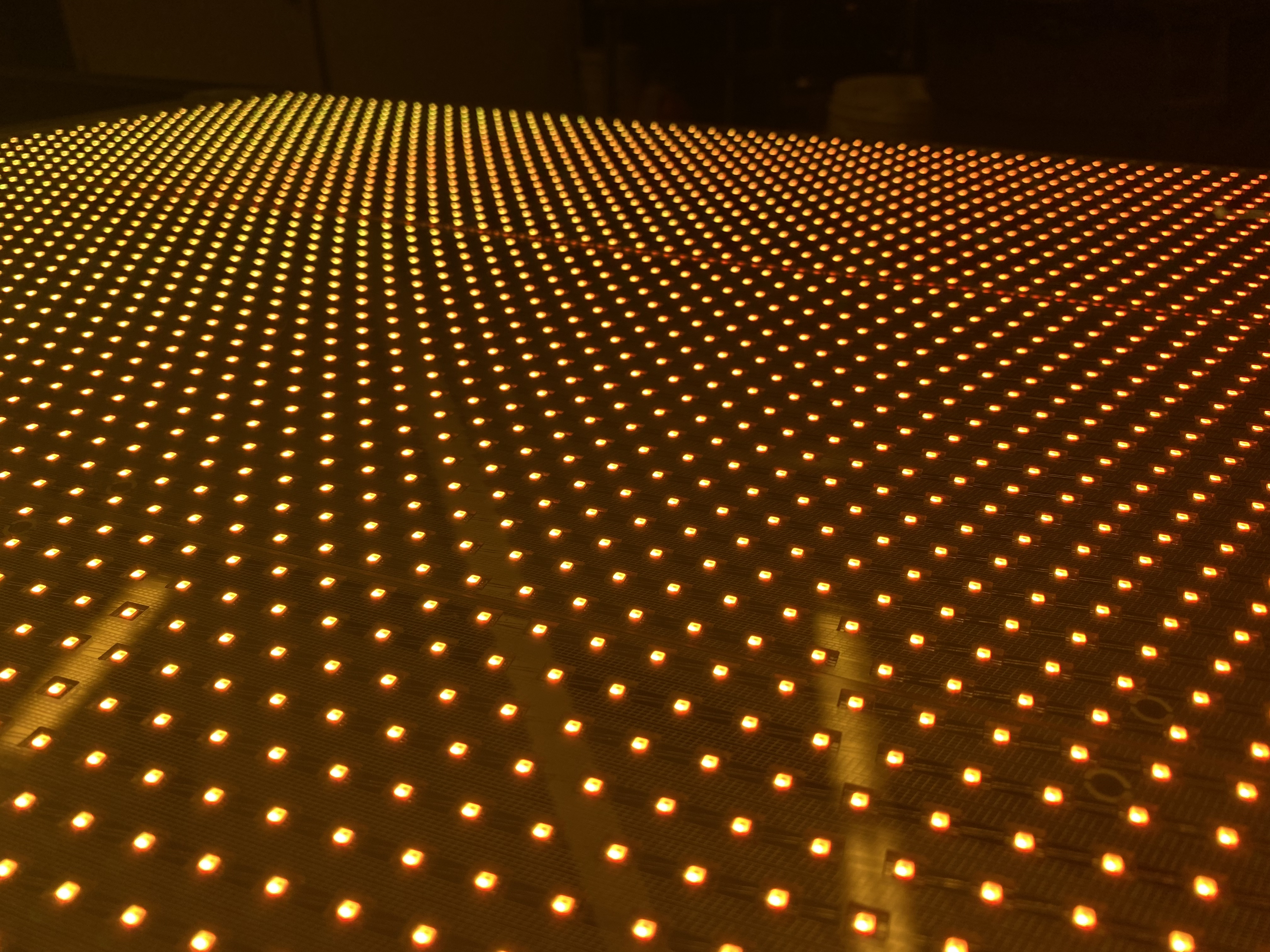
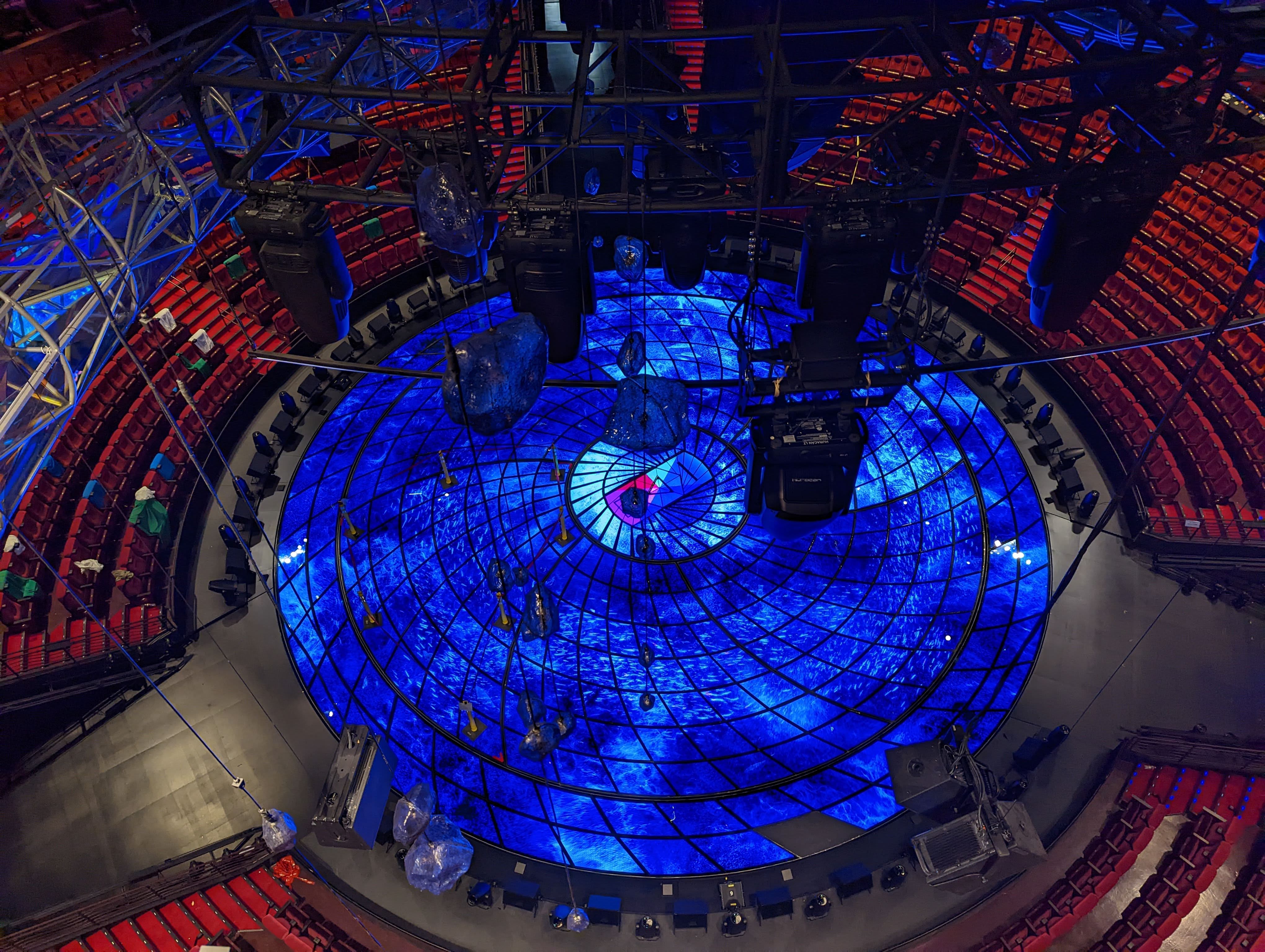
At the center of the theater is a sixty-foot-diameter stage that separates into six petals, an outer ring, and a central platform, each capable of rising, rotating, and moving independently throughout the performance. LED display surfaces are integrated directly into these moving stage elements, transforming the floor into a continuously evolving digital landscape.
Because the display system operates as part of the stage mechanics, every element had to perform reliably under motion, vibration, and repeated nightly operation. Standard LED panel formats could not accommodate the radial geometry or the structural constraints of the stage architecture, requiring a fully custom system designed specifically for this environment.
5 TEN was engaged to design engineer and deliver an LED system capable of operating reliably within this continuously moving stage architecture.
APPROACH
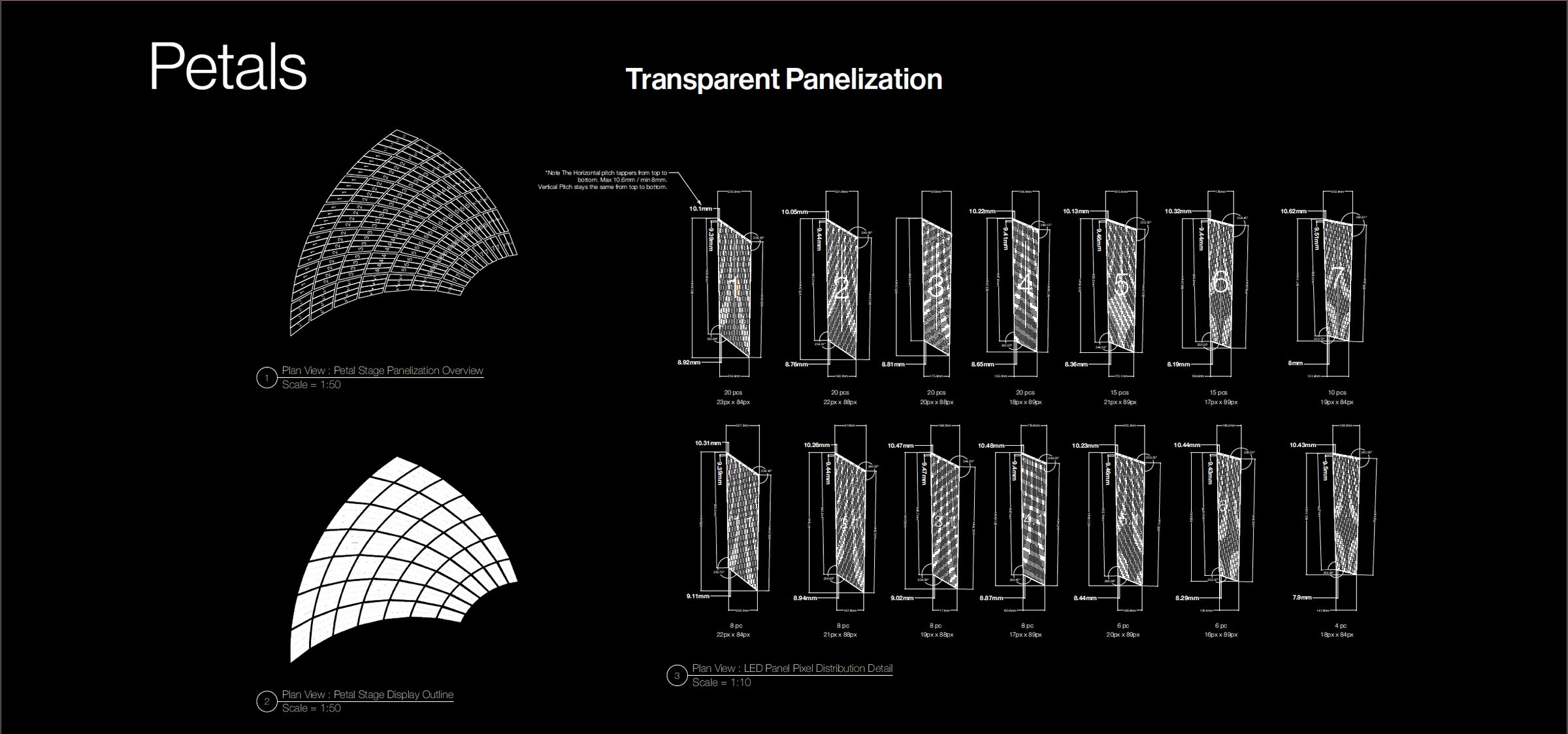
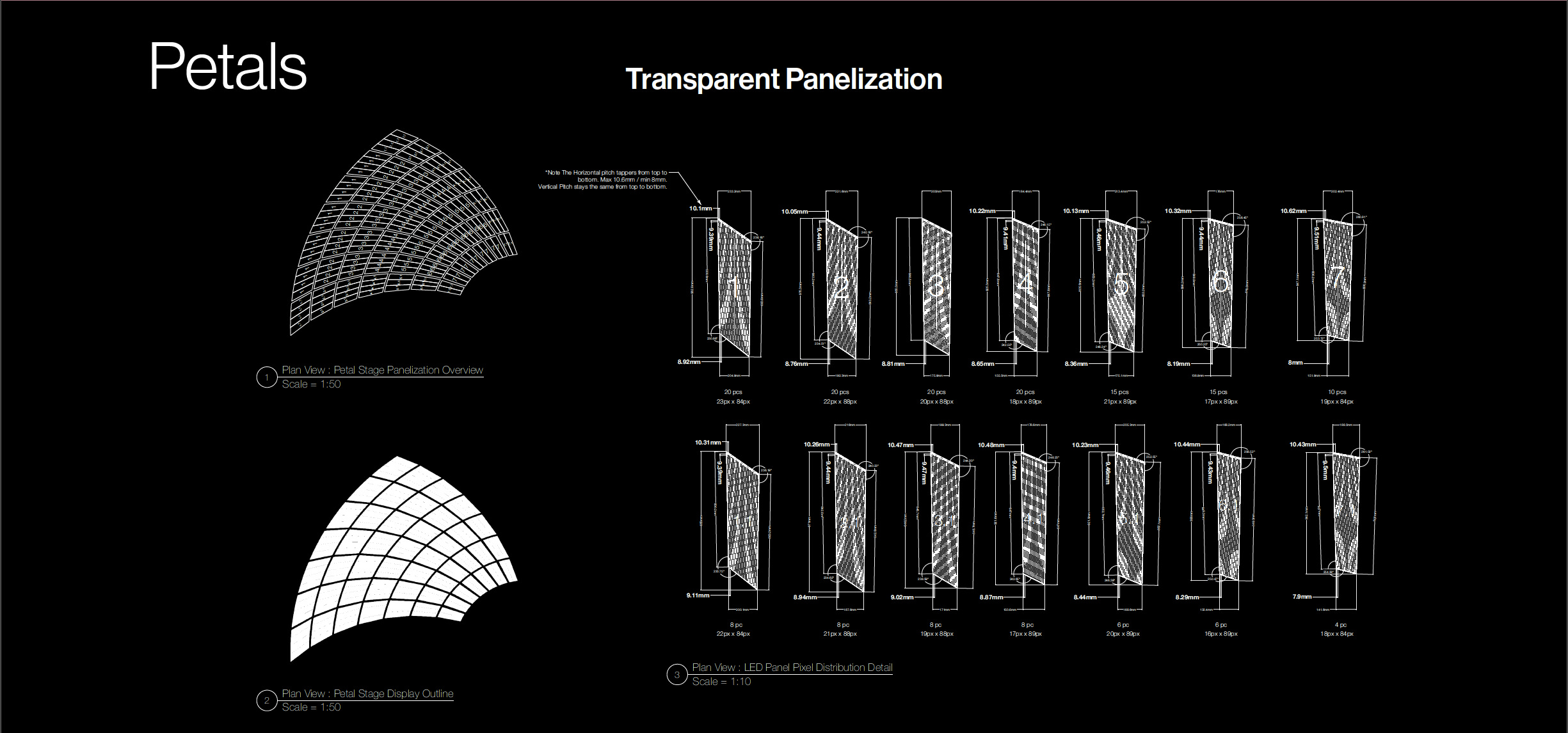
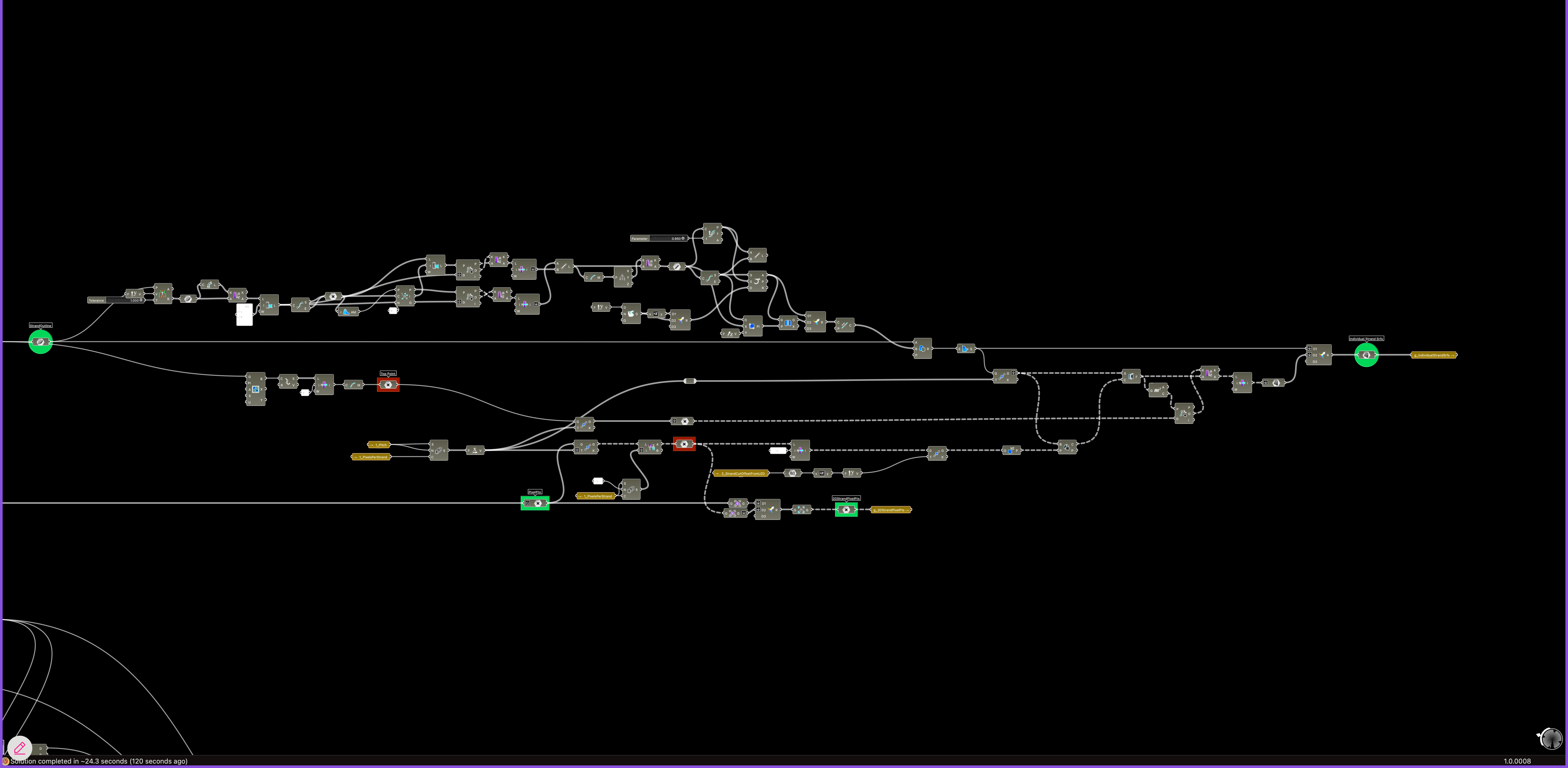
Because the stage geometry could not be resolved using standard rectangular LED panels, 5 TEN developed a computational design model to rationalize the complex radial layout of the stage.
Every surface of the stage — the outer ring, six petals, and the central platform — required custom geometry while maintaining consistent visual performance across the entire display surface. Using a parametric design framework, the team translated the radial stage geometry into manufacturable LED panel formats while preserving consistent pixel distribution across non-rectilinear shapes.
The computational model became a single source of truth across design, engineering, and fabrication, allowing panel boundaries to align directly with structural and mechanical elements of the moving stage.
By embedding rationalization directly into the design process rather than applying it afterward, the system could evolve alongside scenic design, mechanical engineering, and fabrication workflows without introducing downstream conflicts. This approach ensured that visual intent, structural logic, and manufacturing reality remained aligned throughout the project lifecycle.
SOLUTION
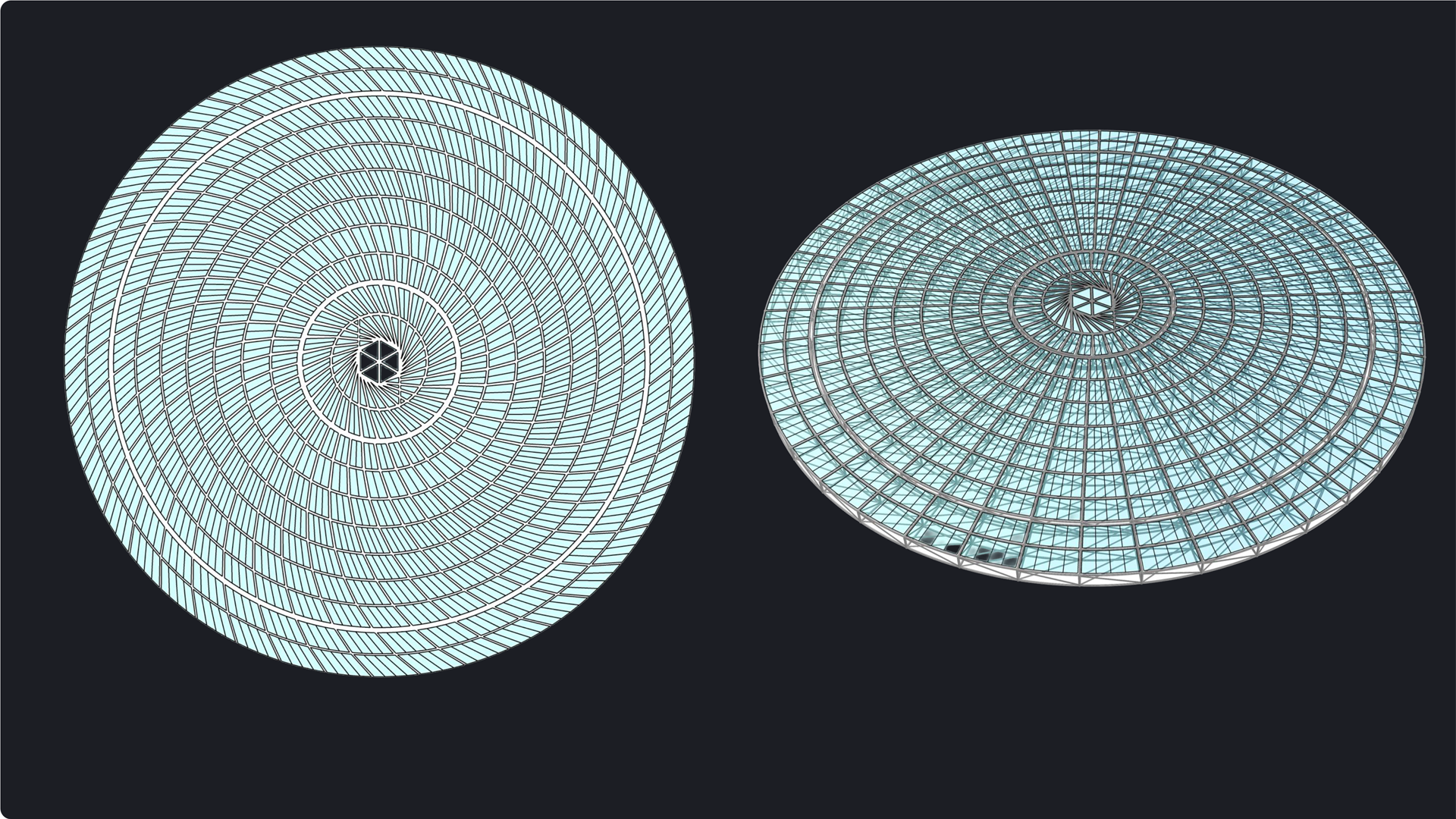
The final system integrates more than 2,000 custom LED panels and 800+ custom power and data assemblies across the moving stage architecture.
These display elements are distributed across the outer ring, six stage petals, and central performance platform, forming a continuous LED surface spanning the entire sixty-foot-diameter stage. Each surface was engineered to operate reliably while moving, ensuring consistent visual performance as stage segments rise, rotate, and reposition throughout the performance.
Delivered through close collaboration between creative, structural, mechanical, automation, and integration teams, the system functions as both scenic infrastructure and high-performance display technology.
The result is a highly customized LED environment capable of supporting a demanding nightly performance schedule, while preserving the dramatic visual language of the production.


Featured Projects









Let's Work Together
Every project is a connection. From concept to delivery, we bring precision and artistry to every frame.


