AMANT — Brooklyn, NY
5 TEN defined the system requirements for a high-resolution LED display for a Brooklyn-based arts organization, guiding the precise selection of a standard product.

PROJECT BRIEF & CHALLENGES
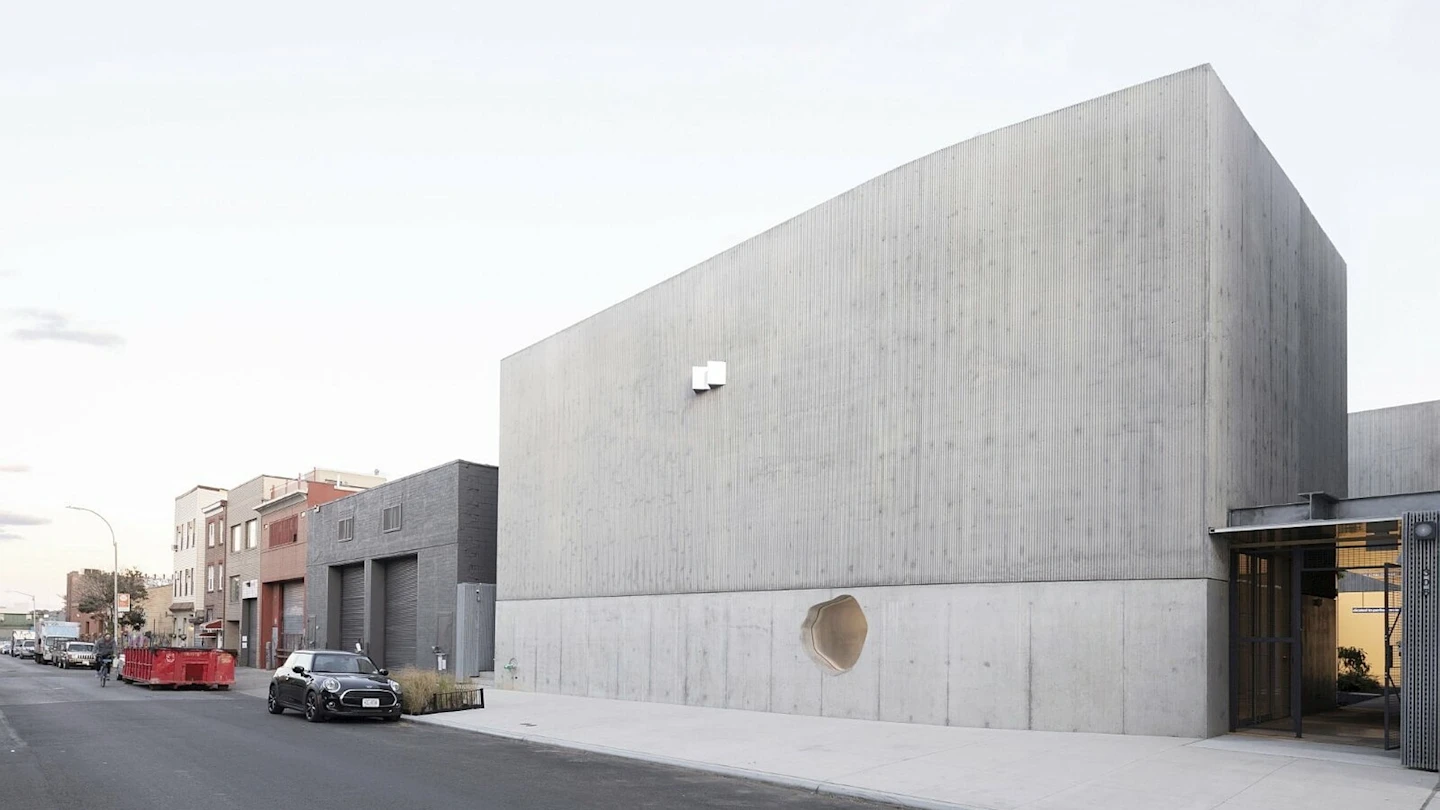
Amant is a non-profit arts organization in Brooklyn supporting contemporary artists through exhibitions, residencies, and public programming.
5 TEN was engaged to advise on the purchase of a high-resolution LED display, defining the system requirements before a product was selected.
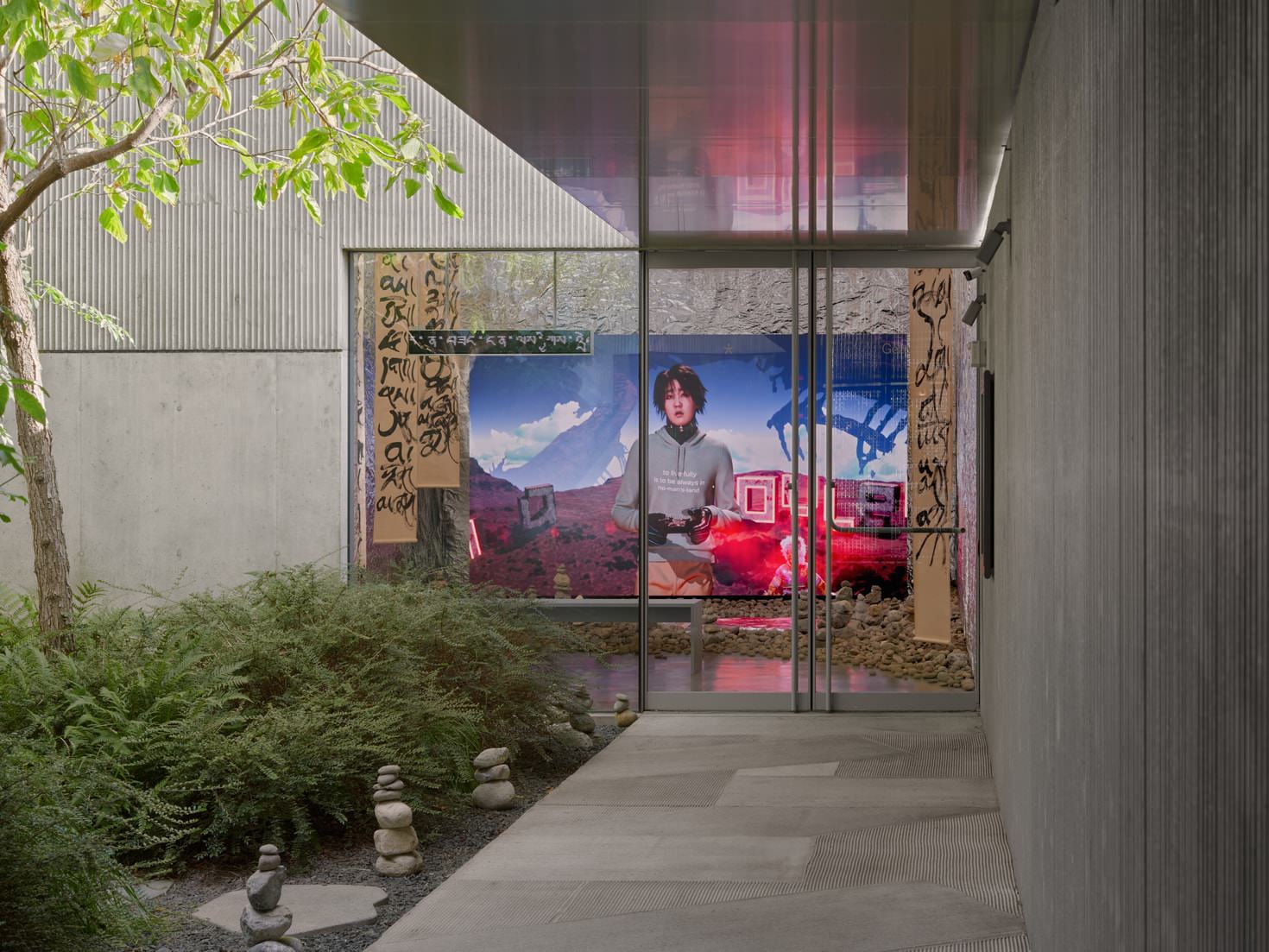
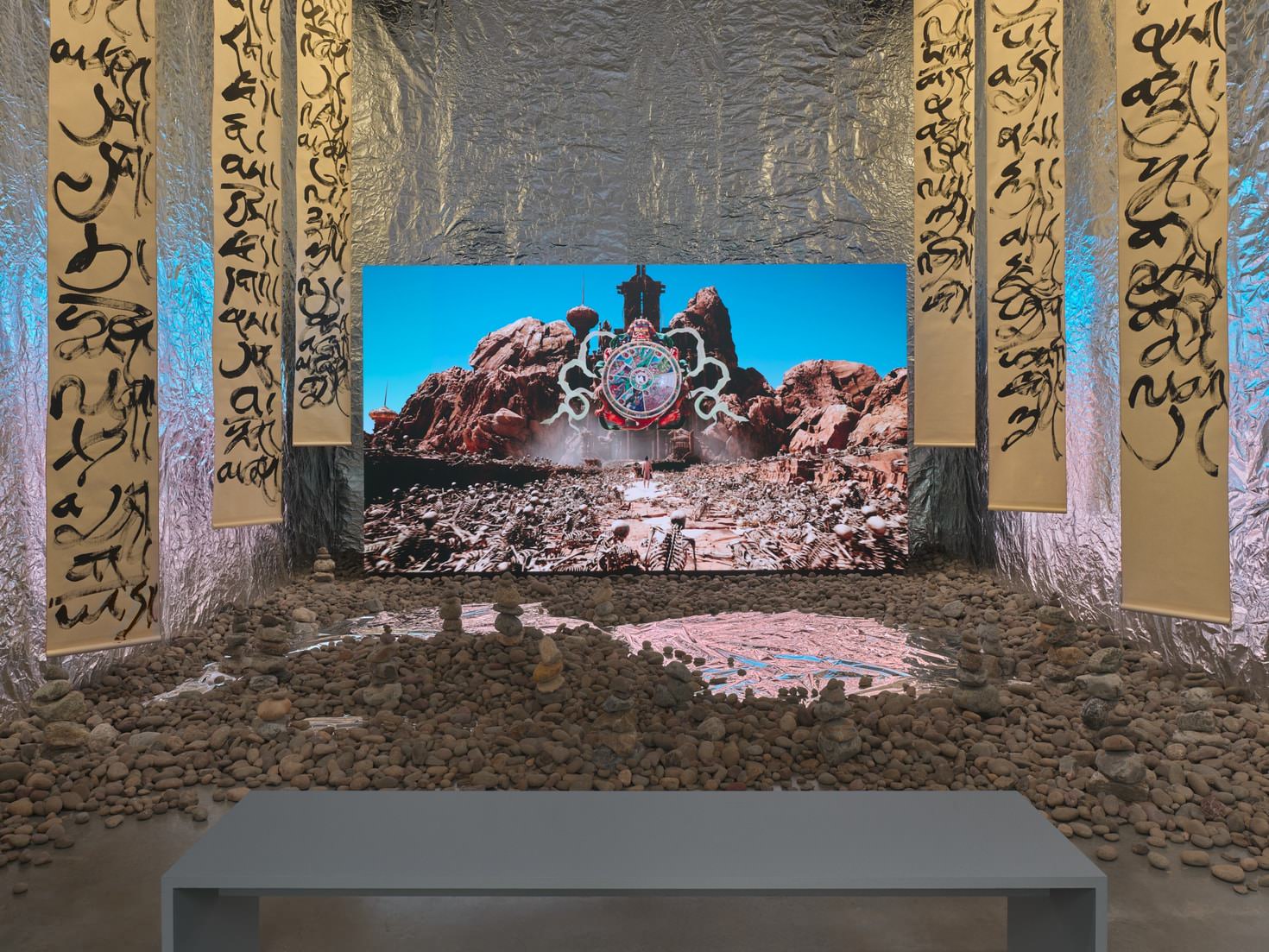
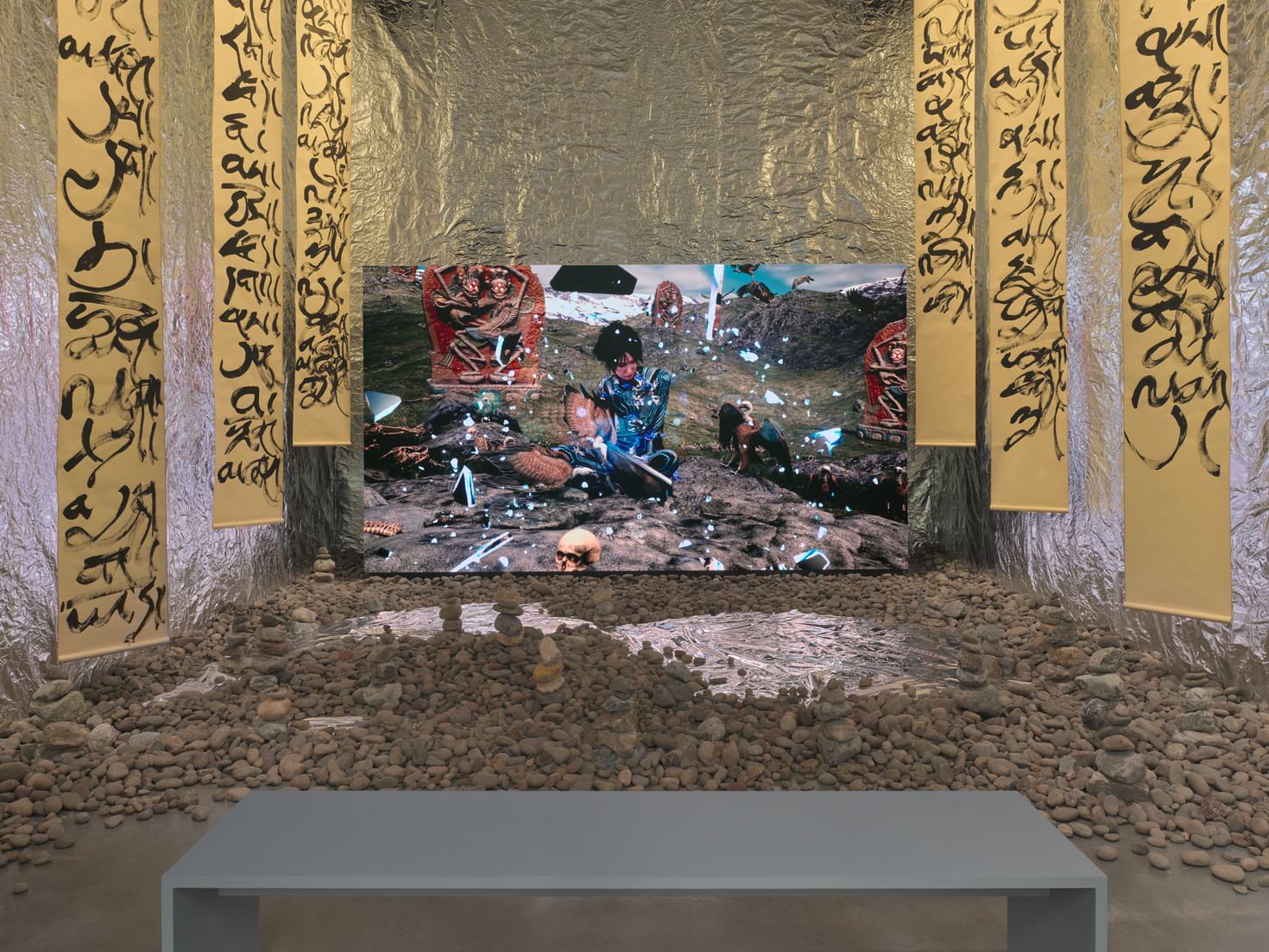
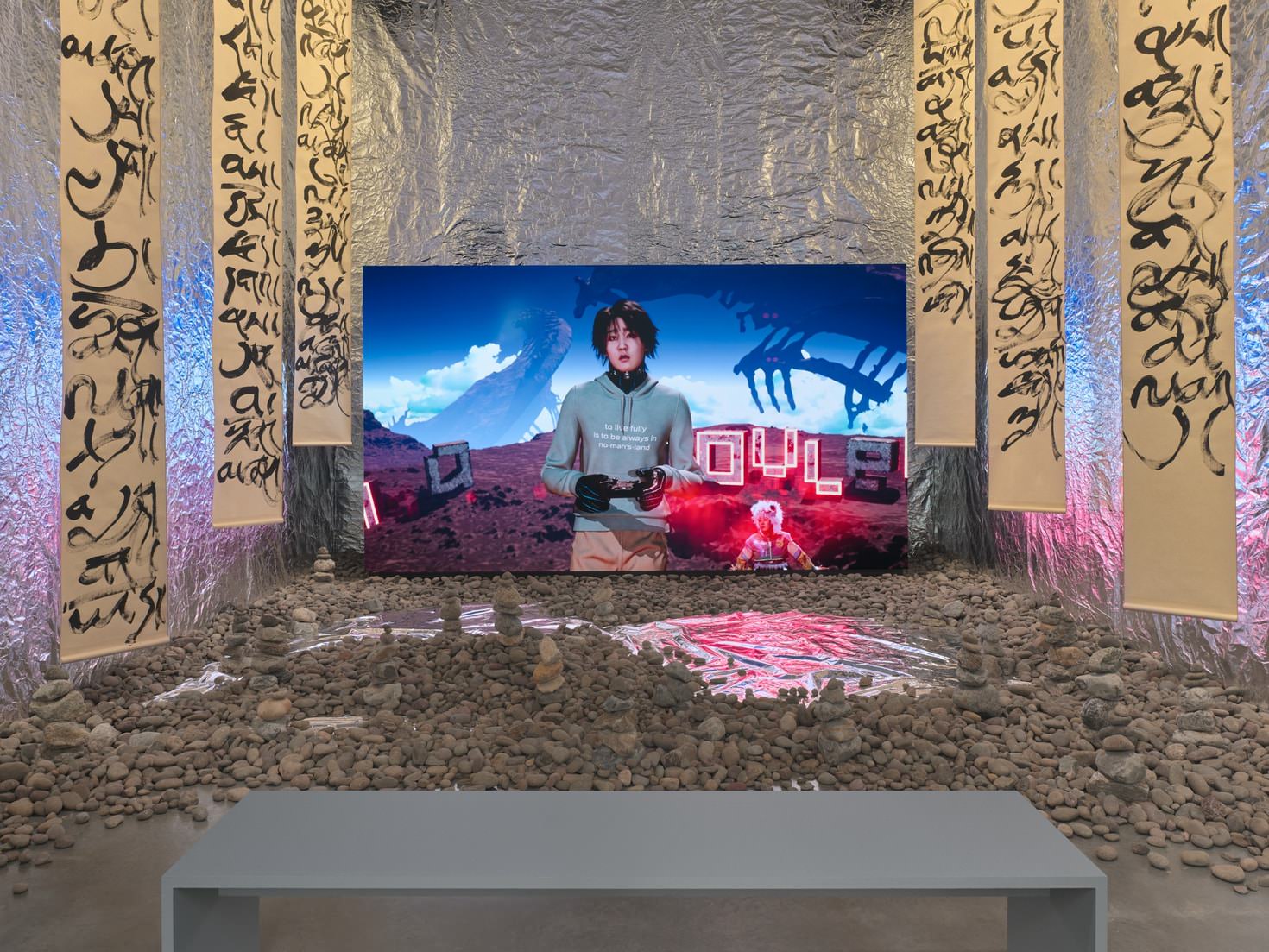
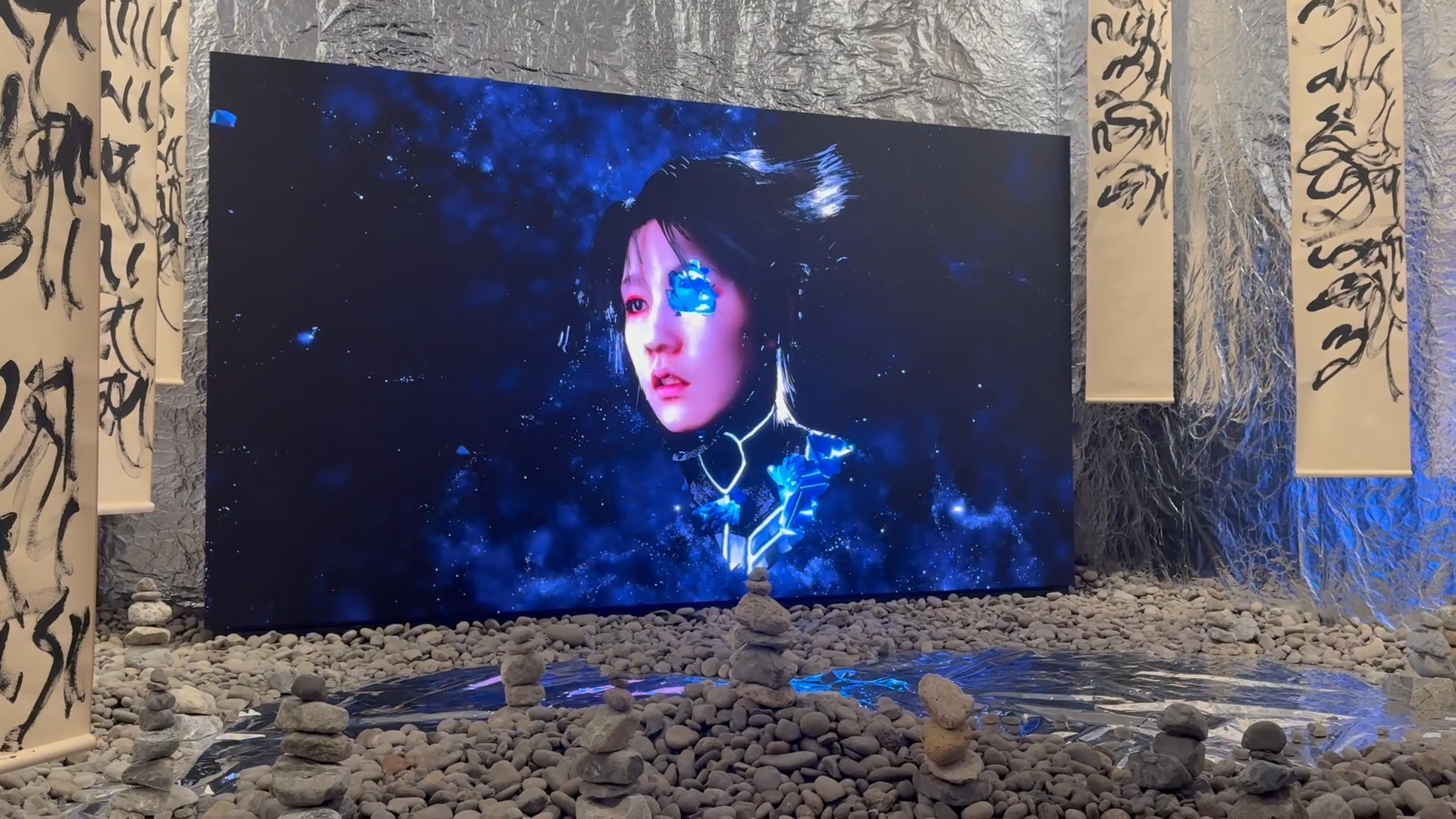
The display would support exhibition work including DOKU! DOKU! DOKU!: samsara.exe by Lu Yang, a multi-channel, high-resolution video installation exploring identity, consciousness, and embodiment through a digitally rendered avatar.
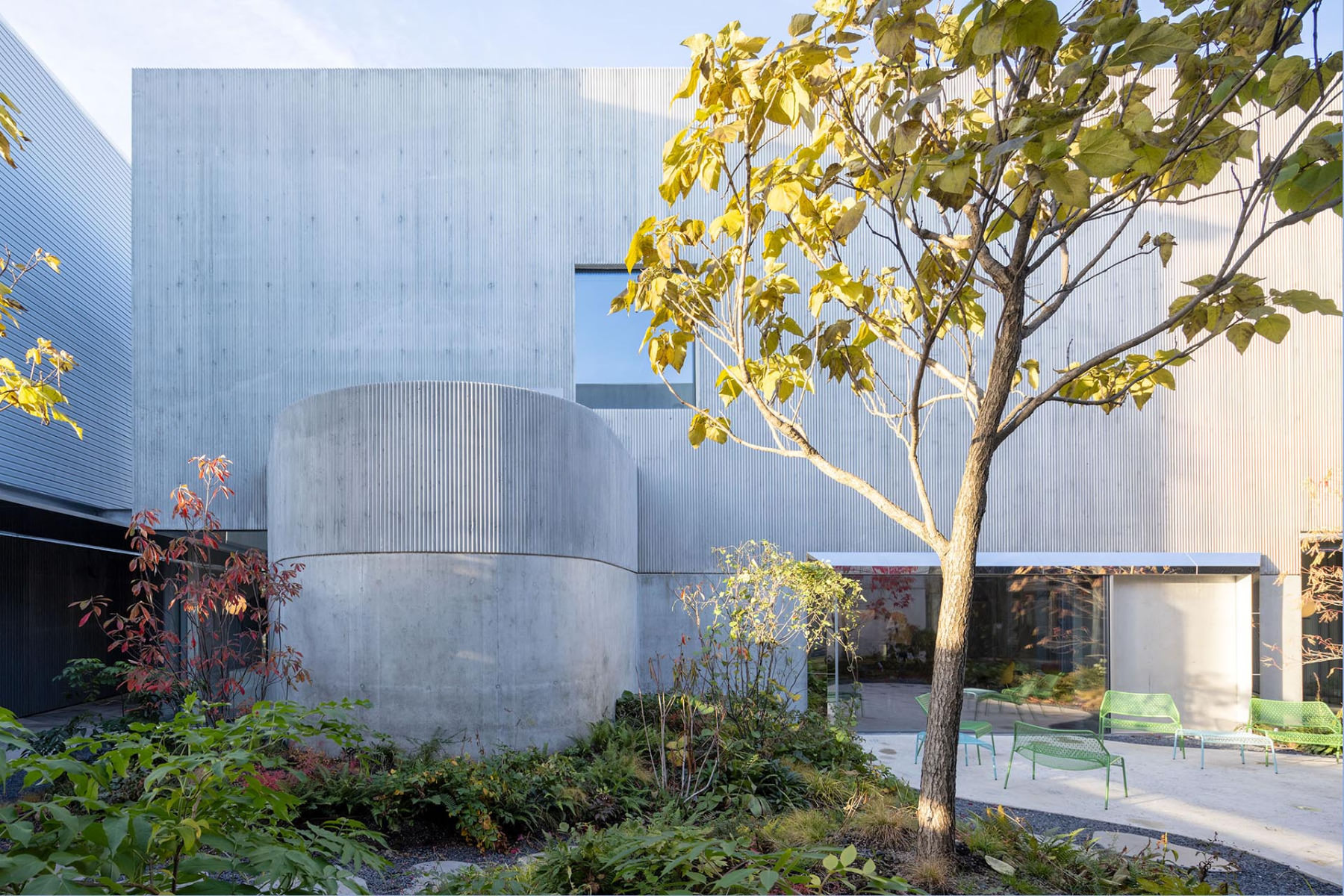
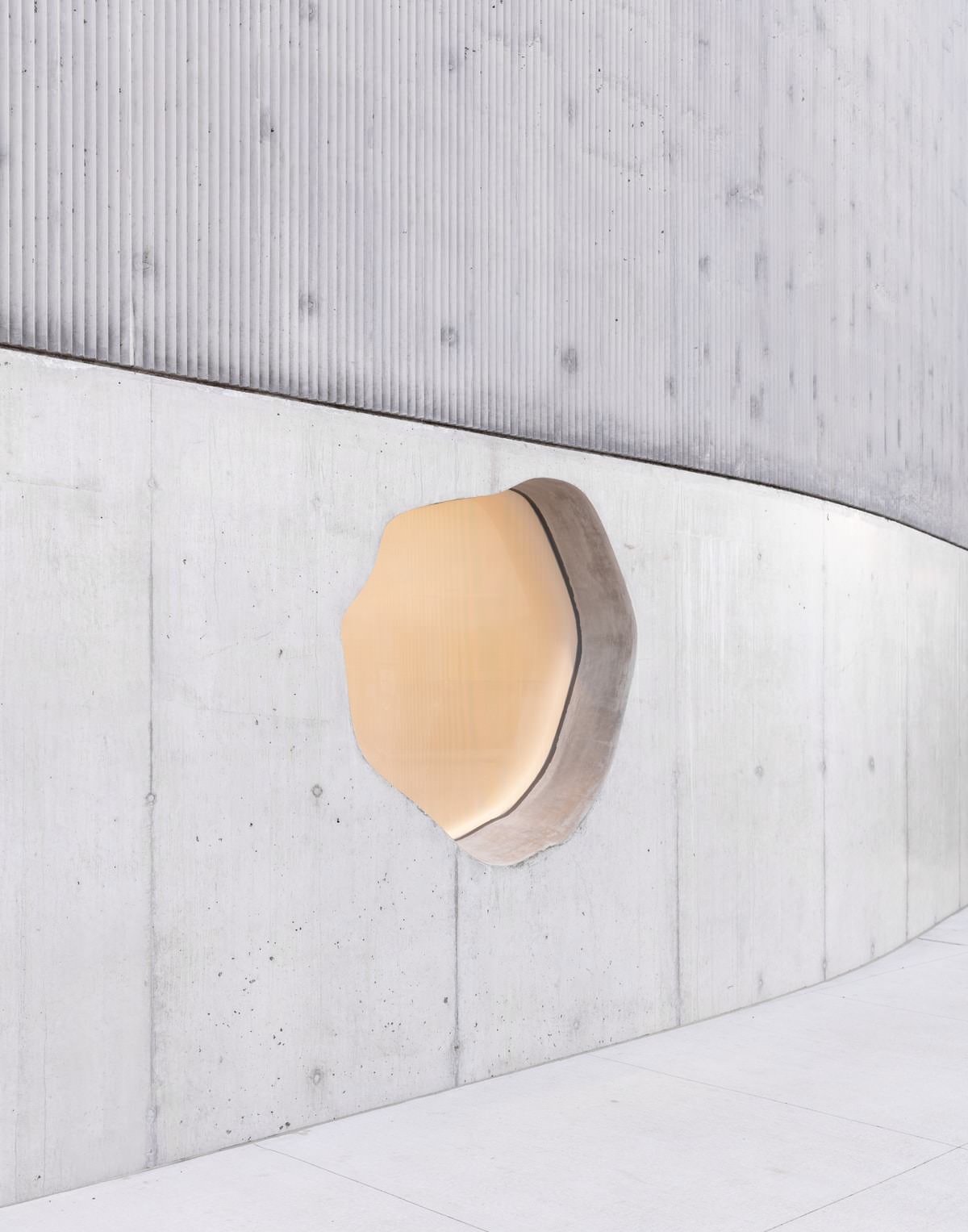
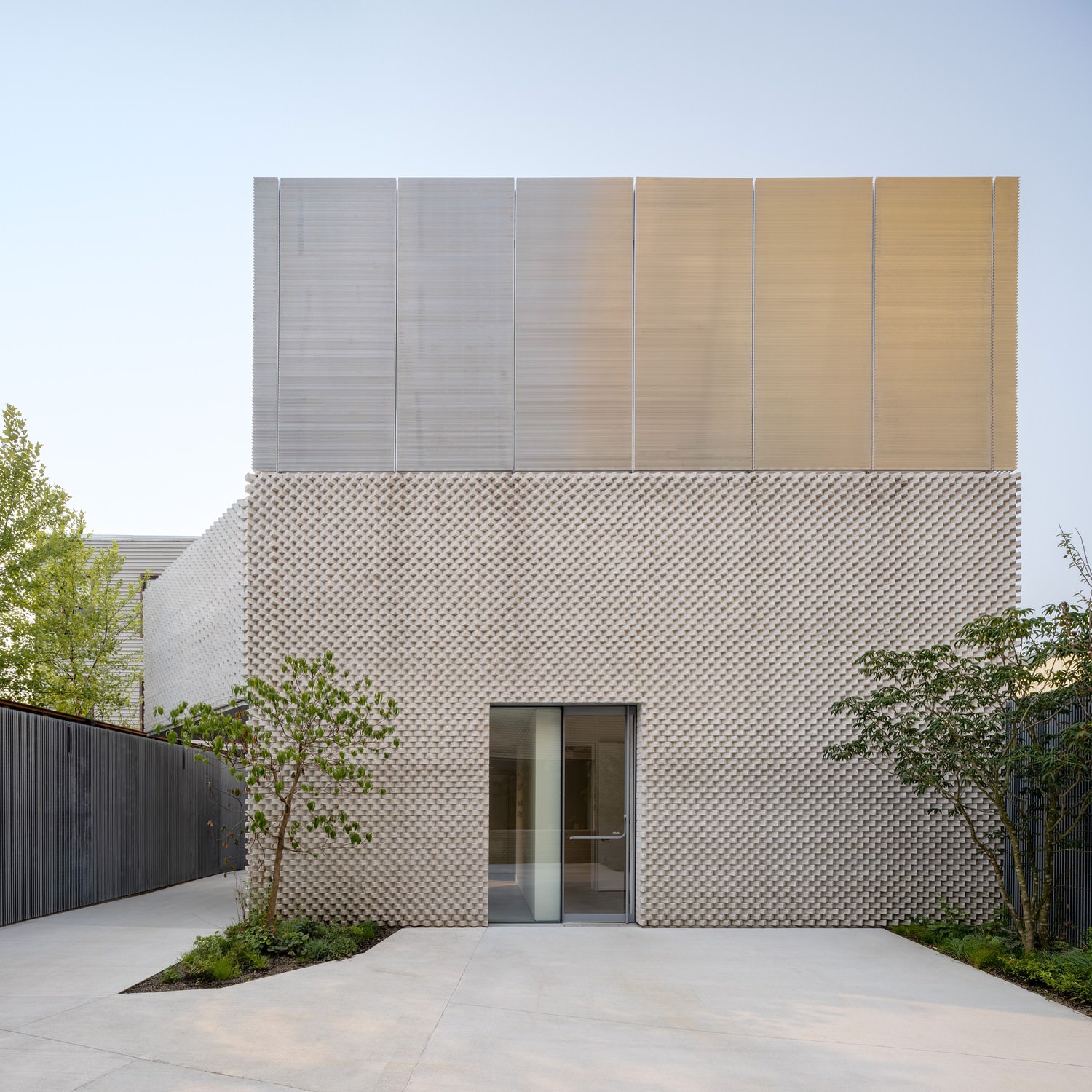
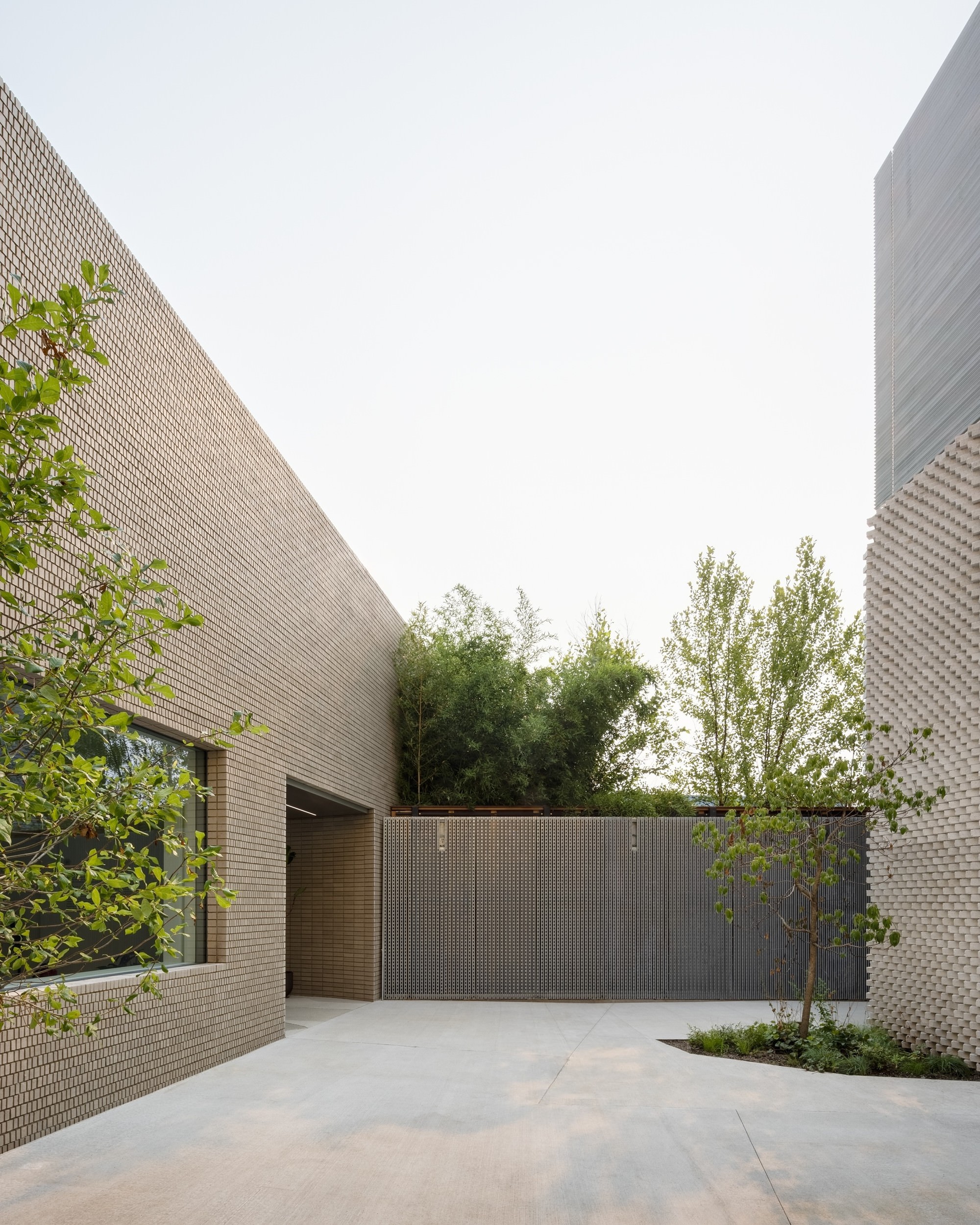
The campus is organized as a series of interconnected buildings arranged around a central courtyard, creating a sequence of spaces that shift in scale, light, and orientation as visitors move through them. Within this environment, the introduction of LED is not neutral. Viewing distances compress quickly, natural and artificial light coexist, and the architecture frames the work rather than disappearing behind it.
The challenge was to determine what the system needed to do before selecting how it would be built. Without that clarity, the risk was not in the technology itself, but in the decision-making process. A product chosen too early could easily fail to perform as intended within the space.

APPROACH
The process began with system definition, not product selection.
Working closely with the team, 5 TEN evaluated pixel pitch in relation to actual viewing conditions, testing the threshold between 1.2 mm and 0.9 mm to understand where image structure would begin to resolve. These evaluations were grounded in how content would be experienced in the space, including contrast, color stability, and perceived brightness under varying light conditions.
In the context of exhibition work like DOKU! DOKU! DOKU!: samsara.exe, where fine detail, motion, and digital rendering are central to the experience, these thresholds were not theoretical. The system needed to maintain image continuity and perceptual clarity at close range, without introducing visible structure or artifacting.
This phase translated architectural context and curatorial intent into a clear set of performance criteria.

SOLUTION
The final outcome was not a custom-built system, but a standard product selected with precision.
Because the system had been clearly defined in advance, the chosen display met the required resolution at close range without exceeding what the space demanded. It maintained visual integrity under mixed lighting conditions and integrated cleanly within the architectural environment.
The result is a system that performs exactly as intended, supporting the fidelity of the work without drawing attention to itself.
The value was in defining the needs of the display before it was purchased.




Featured Projects









Let's Work Together
Every project is a connection. From concept to delivery, we bring precision and artistry to every frame.


